

Introduction
The hydrogen and methane breath test is a non-invasive diagnostic tool used to assess digestive conditions such as Small Intestinal Bacterial Overgrowth (SIBO). By measuring gases produced by bacteria after consuming a sugar substrate, the at-home SIBO test provides insight into bacterial activity in the gut. Proper SIBO breath test preparation, including hydrogen breath test preparation and prep for a SIBO test, is essential to ensure accurate and reliable results. Diet, medications, and lifestyle factors can significantly affect gas production, and following our SIBO breath test preparation guidelines closely allows your clinician to interpret results with confidence.
What to Avoid Before the Test: SIBO Test Preparation Timeline
Accurate results depend on minimising factors that can interfere with gas production in the gut. Preparation begins weeks before your test.
Timeline-Based Instructions
4 Weeks Before the Test
- Avoid antibiotics, if clinically safe to do so.
- Do not schedule testing within four weeks of a colonoscopy or bowel preparation
These interventions can significantly alter gut bacteria and affect test accuracy.
1 Week Before the Test
- Avoid probiotics and prebiotics
- Stop laxatives, stool softeners, and bowel-cleansing products
- Avoid digestive enzymes and gut motility supplements (e.g. magnesium)
24–48 Hours Before the Test
Foods & Beverages to Avoid
- Fruits and vegetables
- Whole grains and high-fibre foods
- Beans, lentils, and legumes
- Nuts and seeds
- Dairy products
- Sugary foods and drinks
- Alcohol
- Artificial sweeteners
These foods ferment in the gut and can elevate baseline gas levels.
Medication to Avoid
- Probiotics
- Non-essential supplements
- Over-the-counter digestive aids
If you use insulin or take medication for diabetes, contact us before the test as dose adjustments may be needed due to fasting.
! Important: Always consult your clinician before stopping prescribed medications.
What Is Permitted Before the Taking the SIBO Breath Test
Allowed Medications
- Essential prescription medications may usually be taken with a small sip of water unless advised otherwise by your clinician
- Always follow the specific instructions provided by your testing provider
Allowed Foods & Beverages (24 hours before)
The day before the test you must follow a strict white food diet. A low-fermentation diet is a key part of effective prep for a SIBO test:
- Plain white rice
- Plain white bread
- White potatoes (no skin)
- Maximum 2 eggs
- Baked/grilled chicken, turkey, lean beef, lean pork, white fish
- Water only (still, unflavoured)
- Black coffee or black tea (no milk, no herbal)
- 1 tbsp butter/margarine/oil
- Salt only
These foods help reduce background fermentation.
Why Preparation Matters
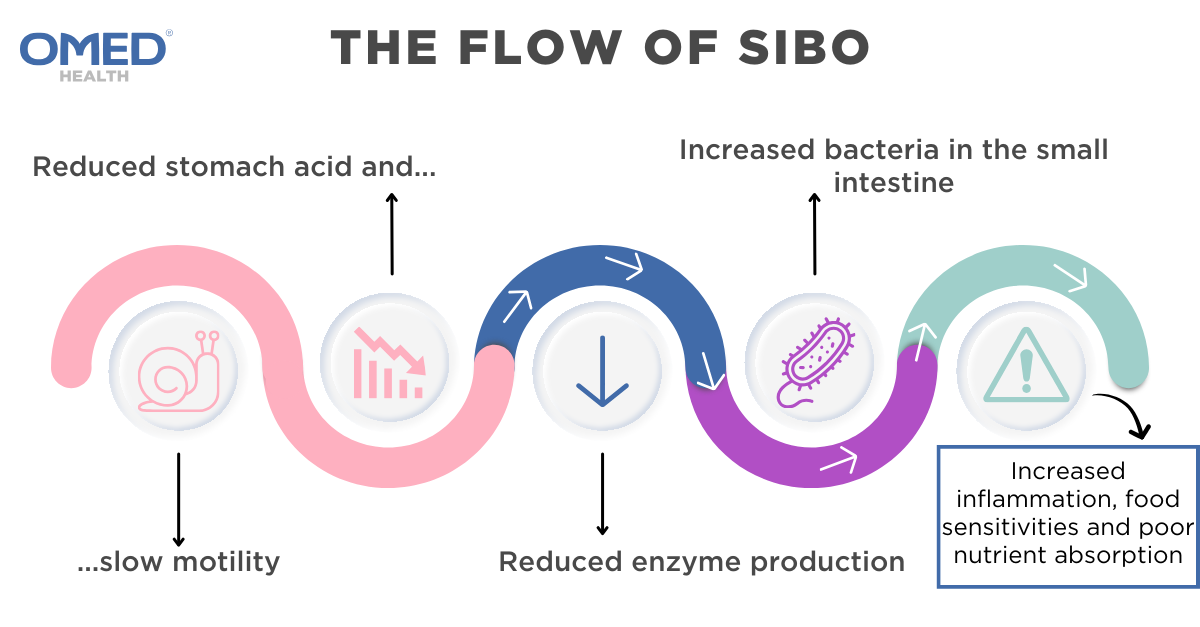
Breath testing relies on detecting hydrogen and methane gases produced when bacteria ferment a specific sugar solution. Careful hydrogen breath test preparation supports accurate diagnosis and more effective treatment planning, particularly when prep for a SIBO test is followed exactly. If residual fermentation is already occurring due to diet or supplements, the test may produce misleading results.
Proper SIBO test preparation helps:
- Establish a clean baseline reading
- Reduce false positives or inconclusive findings
- Improve diagnostic confidence and treatment planning
Inadequate preparation is one of the most common reasons for unreliable breath test results.
Are There Any Risks Associated?
SIBO breath tests are generally safe and well tolerated. Some people may experience temporary bloating, gas, or mild discomfort during or after the test, particularly if SIBO is present.
Serious side effects are rare. If you have known sugar intolerances or other medical conditions, inform your clinician and contact us before testing.
Test Duration and Why It Takes That Long
The test typically lasts around 2½ hours. This duration allows clinicians to track gas production over time as the sugar solution moves through the digestive tract.
Multiple breath samples are collected at regular intervals to:
- Observe early gas rises associated with small intestinal fermentation
- Differentiate between small and large bowel activity
- Identify hydrogen-dominant or methane-dominant patterns
Shortening the test may reduce diagnostic accuracy.
What to Expect on the Day of the Test
On the day of the test:
- Fast for at least 12 hours beforehand (up to 300ml water only)
- Avoid smoking, chewing gum, and vigorous exercise
- You may brush your teeth, but at least 2 hours before. (No mouthwash as they often contain sugar alcohols (like xylitol) that may skew your baseline reading)
During the test, you will:
- Provide a baseline breath sample
- Drink a measured sugar solution (usually glucose or lactulose)
- Provide ten breath samples at 15-minute intervals
You should remain seated, awake, and avoid eating or drinking during the test. Have the Breath Analyser ready to use and practice providing samples beforehand.
When to Expect Results and How They Will Be Delivered
Results are available immediately after completing the test. An OMED Health doctor will review the findings to determine whether bacterial overgrowth is present. Your diagnosis will be delivered via a secure patient portal in the App and your healthcare professional can recommend next steps.