

Symptoms, tests, and treatments – explained clearly
If you’re living with daily bloating, discomfort, or unpredictable bowels, you’ve probably wondered: “Do I have IBS or could it actually be SIBO?” This blog explains the differences, what tests can help determine if it is IBS or SIBO, and how a doctor led pathway can help you move from guesswork to treatments.
What is IBS?
Irritable bowel syndrome (IBS) is a gastrointestinal condition caused by multiple factors including the gut-brain axis. IBS symptoms can include bloating, abdominal discomfort, or pain accompanied by changes in bowel patterns.
What is SIBO?
Small intestinal bacterial overgrowth (SIBO) is also a gastrointestinal condition caused by an excessive number of bacteria in the small intestine. SIBO symptoms include bloating, abdominal discomfort, chronic diarrhea and difficulties absorbing nutrients. People with SIBO may also experience unintentional weight loss, loss of appetite and nutritional deficiencies.
What symptoms do IBS and SIBO have in common?
While Irritable Bowel Syndrome (IBS) and Small Intestinal Bacterial Overgrowth (SIBO) are distinct clinical conditions, their outward presentation can make them virtually indistinguishable without testing. Growing research highlights a strong link between the two1, with many individuals receiving an IBS diagnosis actually experiencing underlying SIBO.
SIBO and IBS affect the gastrointestinal tract in similar ways, telling them apart based on symptoms alone can be difficult.
Overlapping Symptoms
- Abdominal bloating and swelling: Often worsening as the day progresses.
- Abdominal pain and cramping: Ranging from mild discomfort to severe pain.
- Altered bowel habits: Diarrhoea, constipation, or alternating between both.
- Gas and flatulence: Caused by microbial fermentation in the gut.
- Bowel urgency: Sudden or immediate need to pass stool.
- Food intolerances and sensitivities: Difficulty digesting specific carbohydrates or FODMAPs.
- Systemic symptoms: Brain fog, poor concentration, and persistent fatigue.
Symptoms More Typical of IBS:
- Pain relieved by bowel movements: A key diagnostic indicator under Rome IV criteria.
- Strong gut-brain connection: Symptoms significantly triggered or worsened by stress and anxiety.
- Long-term, fluctuating flare-ups: Chronic cycles of remission and symptom spikes over months or years.
Symptoms Associated with SIBO:
- Unintended weight loss: Caused by bacterial interference with nutrient absorption.
- Nutrient and vitamin deficiencies: Particularly Vitamin B12, iron, and fat-soluble vitamins (A, D, E).
- Nausea and loss of appetite: Resulting from slowed motility and upper gut fullness.
- Fatty or floating stools (steatorrhea): Due to fat malabsorption in the small intestine.
IBS vs SIBO – Symptoms, tests and treatments at a glance

While IBS and SIBO share common symptoms like severe bloating, abdominal pain, and altered bowel habits, their underlying causes require different treatments. Hydrogen and methane breath testing can help differentiate SIBO from functional IBS to uncover the root cause of your digestive discomfort.
Why SIBO tests matter for people with IBS symptoms
Research suggests that up to half of people with IBS symptoms may have SIBO. This matters because SIBO can be treated with antimicrobials or antibiotics.
A SIBO test can be a useful step to reveal underlying treatable causes behind IBS-like symptoms.
When to consider testing for SIBO
Consider a SIBO test if you have any of the following:
- Persistent bloating and gas
- Gut symptoms 30–90 minutes after eating
- IBS-like symptoms that haven’t responded to standard IBS advice
How can you determine if you have IBS or SIBO?
SIBO can be easily diagnosed with a simple at-home SIBO breath test. This test will show whether the hydrogen and methane levels on your breath are above a specific threshold. You’ll need to drink a substrate first, which is designed to trigger gas production by microbes in the small intestine. You’ll receive a doctor-led diagnosis, enabling your clinician to guide you through the best treatment plan for you if you test positive for SIBO. Ask your healthcare provider for a SIBO test if you’re unsure.
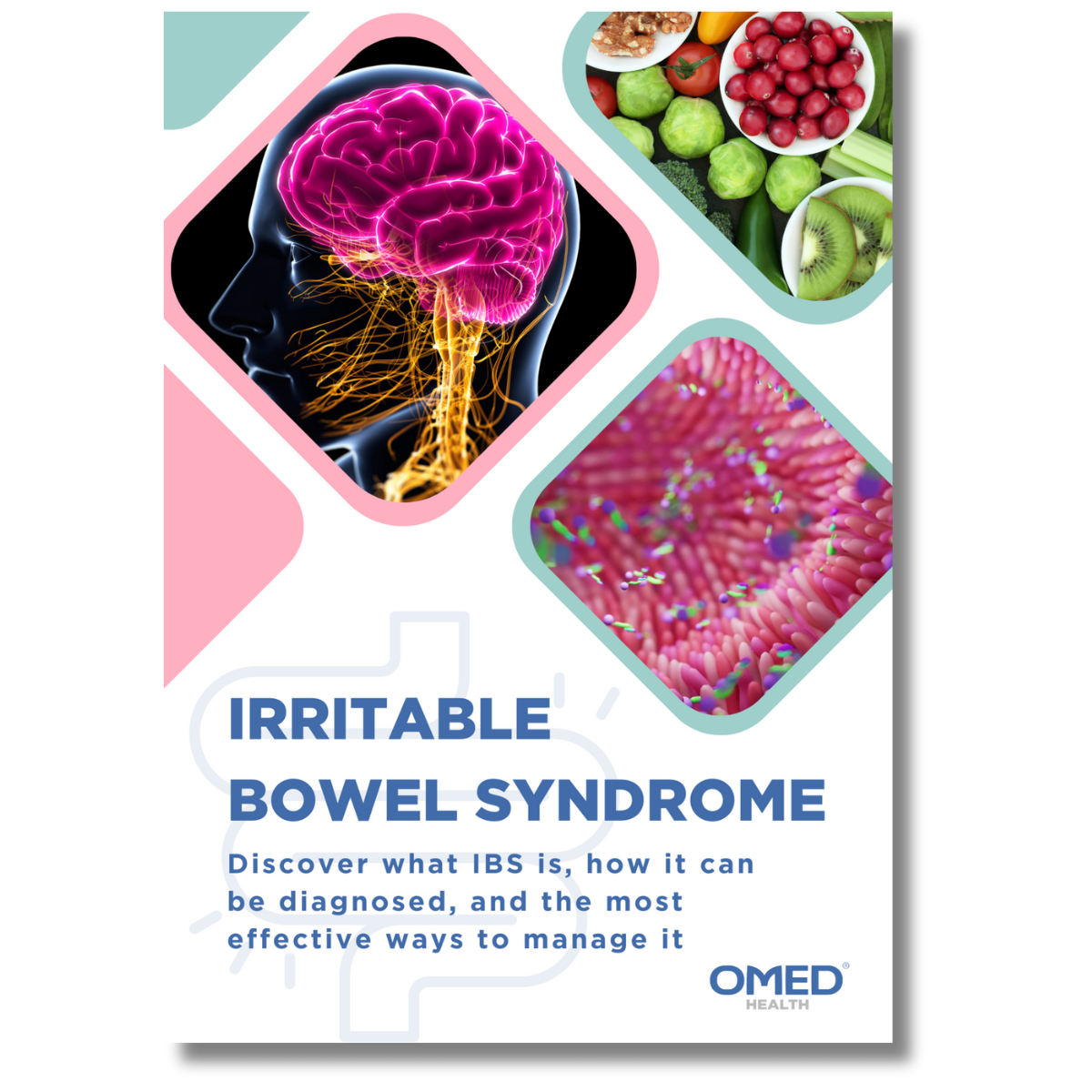
IBS is a little harder to diagnose. A single “IBS test” does not exist, so it’s essentially a process of elimination. As explained in our IBS eBook, doctors determine whether you have IBS or SIBO by looking at key diagnostic markers and systematically ruling out other conditions:
- Rome IV Criteria: Clinicians evaluate your symptom patterns and pain frequency to diagnose IBS and determine the subtype present, such as constipation-dominant (IBS-C), diarrhoea-dominant (IBS-D), or mixed (IBS-M).
- Excluding Coeliac Disease: Blood tests are routinely performed to ensure gluten-triggered autoimmune damage is not the root cause of your symptoms.
- Excluding Inflammatory Bowel Disease (IBD): Biomarkers like faecal calprotectin are tested to rule out active bowel inflammation associated with Crohn’s disease or ulcerative colitis.
- Breath Testing: Unlike the process of exclusion for IBS, an at-home breath test directly measures hydrogen and methane gas to confirm or rule out SIBO.
IBS is a complex condition that requires a personalized approach, but many individuals can significantly improve their symptoms with the right management plan.
If you test positive for SIBO, the good news is that treatments are available. Your clinician can recommend a personalized treatment plan for you which may include antimicrobials or antibiotics. The treatment recommended will depend on whether your results indicate that you have SIBO or IMO (Intestinal Methanogen Overgrowth).
Can breath testing help manage IBS symptoms?
The OMED Health Breath Analyzer allows you to see your real-time hydrogen and methane levels in your breath on our mobile app. These are gases produced by the bacteria and other microbes living in your gut. Breath analysis is therefore a great way to gain insights into the gut microbiome.
High levels of hydrogen and methane are often associated with symptoms like bloating and abdominal pain.
The OMED Health app allows you to track the foods you’ve eaten, sleep, stress levels, bowel movements, symptoms and more – all alongside your hydrogen and methane data. This means that you can start to monitor your changing gas levels over time and how your symptoms might be linked to different triggers.
The OMED Health Breath Analyzer and app can help you monitor whether changes in diet are improving your digestive health. People with IBS often investigate whether food triggers or food sensitivities may be responsible for their symptoms, or whether a low FODMAP diet could help to reduce IBS symptoms.
Unsure what’s causing your gut health issues?
If you are tired of guesswork and need clear answers, we recommend asking your healthcare provider about a SIBO Test. This includes access to real-time gas levels in breath and a doctor-led diagnosis which can help your clinician to recommend appropriate treatments.
We believe that everyone will have a unique response to different diets, lifestyle changes and medical treatments. That’s why it is crucial to have the support of a medical professional alongside you to support your journey to better digestive health.
References:
- Ghoshal UC, Shukla R, Ghoshal U. Small Intestinal Bacterial Overgrowth and Irritable Bowel Syndrome: A Bridge between Functional Organic Dichotomy. Gut Liver. 2017 Mar;11(2):196–208. DOI: 10.5009/gnl16126