

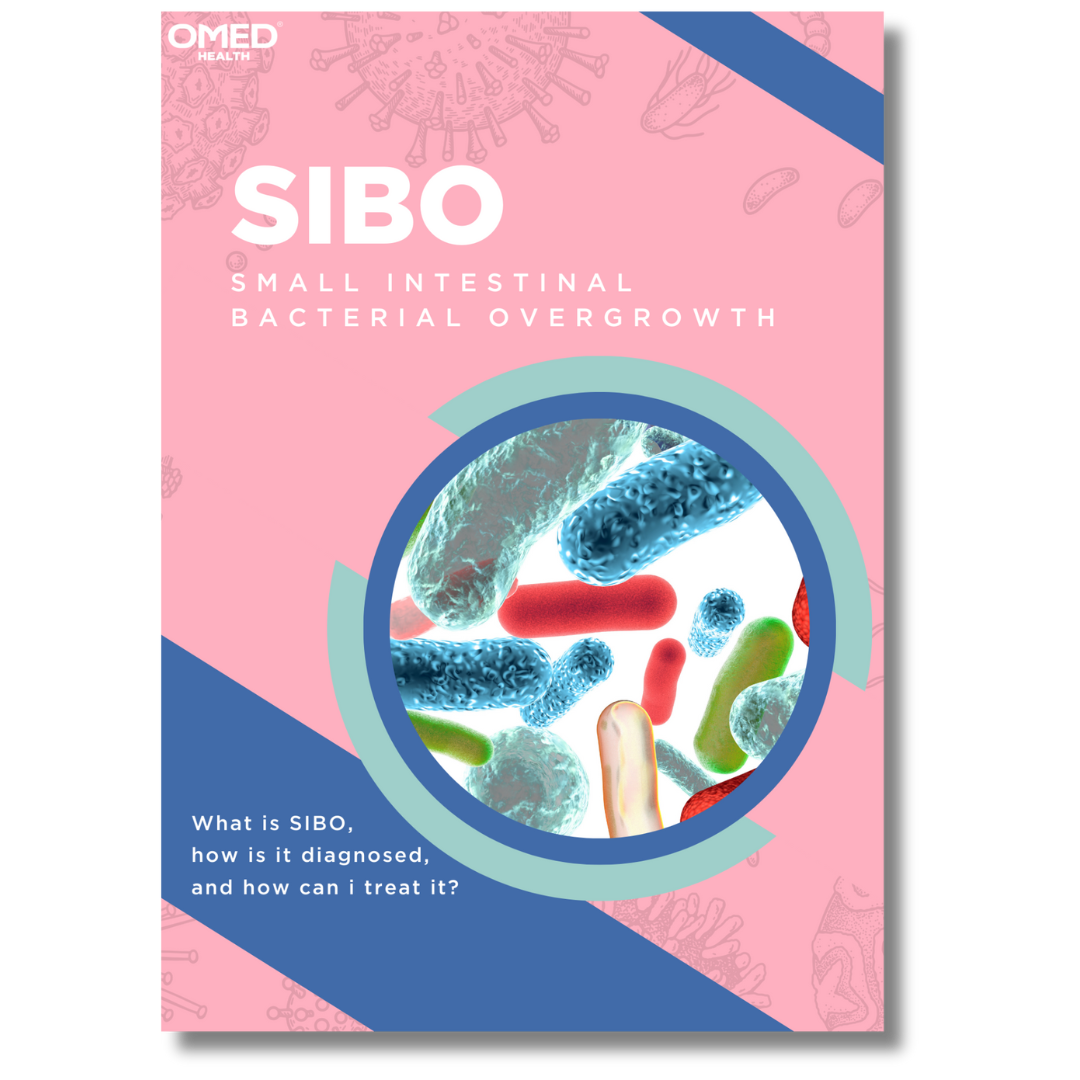
What is SIBO?
Your gut microbiome plays an essential role in digestion, immunity and nutrient absorption(1). But when bacteria grow where they shouldn’t – particularly in the small intestine – it can lead to small intestinal bacterial overgrowth, commonly known as SIBO.
This overgrowth can cause a range of digestive health issues. If you’ve been struggling with symptoms such as bloating, gas, abdominal discomfort or changes in bowel habits, you may be wondering if you could have SIBO.
SIBO is especially common among people with symptoms of IBS (Irritable Bowel Syndrome). Some studies suggest that 30 – 85% of IBS patients test positive for SIBO(2).
What Causes SIBO?
There is rarely a single cause. Instead, there are a range of factors that may make SIBO more likely to develop. Contributors include:
Low stomach acid
Immune diseases
Slow food movement through the small intestine – this can be associated with abdominal surgery (e.g., gastric bypass), or conditions like IBS, coeliac disease, liver disease or Crohn’s disease(3)
The Most Common SIBO Symptoms
Common SIBO symptoms include:
- Bloating
- Pain and cramps
- Indigestion
- Diarrhea
- Constipation
- Fatigue or weakness
Longstanding SIBO can reduce nutrient absorption, contributing to deficiencies in vitamin B12, iron, and fat-soluble vitamins (A, D, E, and K) – and even unintentional weight loss(3).
Many people experience SIBO symptoms after eating, within around 30 – 90 minutes of a meal. SIBO symptoms can be severe, substantially impacting your quality of life and affecting your mental wellbeing(3).
One study explored the impacts of treating SIBO on mental health, finding that after a course of antibiotic therapy, anxiety and depression scores were substantially reduced in patients(4).

How do you test for SIBO?
There are two main SIBO tests:
1. Small intestinal fluid culture (rarely used)
This invasive test collects fluid from the small intestine through endoscopy. It is accurate but expensive, uncomfortable, and prone to contamination. Because of this, it is not commonly performed.
2. SIBO breath test (most common and non-invasive)
The SIBO breath test detects hydrogen and methane gases produced when bacteria growing too high up in your intestine ferment carbohydrates too early in digestion(5).
How the breath test for SIBO works:
- Follow a 24-hour preparation diet, then fast for 12 hours
- Drink the substrate (a carbohydrate solution – usually lactulose or glucose)
- Take timed breath samples for 2-3 hours from the comfort of your home
- Get your doctor‑led diagnosis and personalized treatment plan in the OMED Health app
The breath test can also answer clearly whether the gases are hydrogen or methane-dominant – methane could indicate “methane SIBO” (also known as IMO). This difference matters when choosing the right treatment. Your OMED Health doctor will advise you on the best treatment based on your diagnosis.
Why breath testing for SIBO is preferred:
- Non-invasive
- Can be completed easily at home
- Identifies both hydrogen dominant and methane SIBO
- Allows retesting after treatment to monitor progress
This makes the SIBO breath test solution ideal for people wanting fast, doctor-led clarity and personalized treatment, without long waiting lists.
How is SIBO treated?
SIBO treatment options include:
Herbal antimicrobials
Herbal antimicrobials and probiotics (live bacteria supplements) can be used as a first step to treat SIBO by restoring balance in the gut.
Antibiotics (e.g., rifaximin)
Aim to restore balance by killing unwanted bacteria in the small intestine.
Diet & lifestyle changes
These changes may help to alleviate SIBO symptoms(5):
- Temporary low-FODMAP diet
- Reducing sugar
- Taking fewer anti-inflammatory drugs like ibuprofen
- Stopping smoking
How OMED Health supports your SIBO testing & treatment journey
If you test positive for SIBO, OMED Health offers a personalized treatment plan and treatments that could finally fix your symptoms in just 2 months.
Your OMED Health doctor will create a personalized treatment plan for you which may include antimicrobials or antibiotics. The treatment recommended will depend on whether your results indicate that you have SIBO or IMO (also known as methane SIBO). After treatment, your OMED Health doctor may recommend supplements to support gut recovery.
FAQs
Find answers to your common questions about SIBO and IMO
What’s the difference between SIBO and IMO?
SIBO is bacterial overgrowth (usually hydrogen producing); IMO is methanogen overgrowth (archaea) with methane elevation on breath testing – commonly linked to constipation.
What is methane dominant SIBO?
It’s often referred to as IMO – a methane positive breath test from intestinal methanogen overgrowth; it frequently presents with constipation and may require different treatment than hydrogen dominant SIBO.
What is a SIBO breath test?
A SIBO breath test is a non-invasive diagnostic tool that measures hydrogen and methane gas levels in your breath to detect Small Intestinal Bacterial Overgrowth (SIBO).
What treatments are available for SIBO and IMO?
Please read more information about OMED Health SIBO antimicrobials and IMO antimicrobials. After treatment, your OMED Health doctor may also recommend supplements to support gut recovery.
Our FAQ section might not have the answer you’re looking for right now but our team certainly will. If you need answers, contact us
Resources for healthcare professionals
Do you work with patients experiencing digestive discomfort or SIBO symptoms?
Learn more about how we can support you and your patients.
References
- Katouli M. Population structure of gut Escherichia coli and its role in the development of extra-intestinal infections. Iranian Journal of Microbiology. 2010. 2(2):59-72.
- Bures et al. Small intestinal bacterial overgrowth syndrome. World Journal of Gastroenterology. 2020. 16(24):2978-2990. DOI: 3748/wjg.v16.i24.2978
- Dukowicz AC, Lacy BE, Levine, GM. Small intestinal bacterial overgrowth. Gastroenterology & Hepatology. 2007. 3(2):113-122.
- Chojnacki et al. Antimicrobial treatment improved tryptophan metabolism and mood of patients with small intestinal bacterial overgrowth. BMC Nutrition & Metabolism. 2022. 19. 66. DOI: 1186/s12986-022-00700-5.
- Ahmed JF, Padam P, Ruban A, Aetiology, diagnosis and management of small intestinal bacterial overgrowth. BMJ Frontline Gastroenterology. 2023. 14:149-154. DOI: 1136/flgastro-2022-102163.