

Our Translational Scientist, Dr. Nabeetha Nagalingam, was recently featured in the Women’s Health article, “Is the secret to successful ageing in your gut?”, where she discussed the link between your gut microbiome and our health as we age.
How can our gut microbiome influence our health and the ageing process?
You may already know that as we age the normal balance of both good and bad microbes (known as the microbiome) shifts. Nabeetha points out that this shift in our gut microbiome as we age can make us more vulnerable to gut health conditions like irritable bowel syndrome (IBS), and could also contribute to the increased risk of age-related diseases like cardiovascular disease and type 2 diabetes.
Could this mean that we can ensure that we remain healthier for longer if we take care of our gut microbiome? Nabeetha thinks it’s possible, and provides several tips to improve your gut microbiome. This includes eating a varied and high-fiber, as evidence shows that a high-fiber diet is important for the maintenance of your gut microbiome and to reduce an inflammatory state that can contribute to the development of diseases such as IBS, and inflammatory bowel disease (IBD) (1). Taking care of your levels of stress is also mentioned as important to maintain a healthy gut microbiome, the reasons for which we recently explored in detail in our gut-brain axis blog.
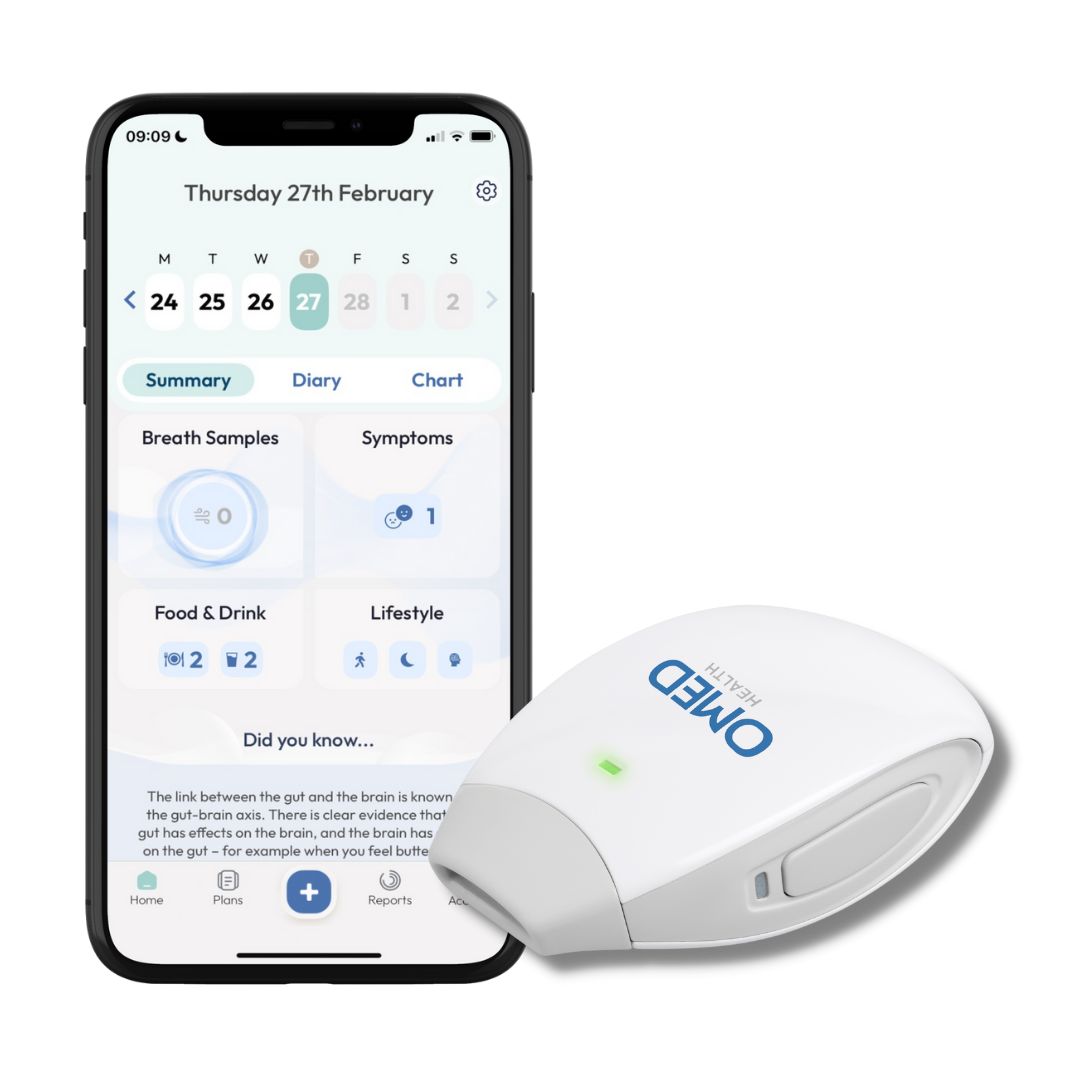
Nabeetha makes it clear that the most important advice that she gives is to listen to your gut. As our own bodies are all different and our microbiomes are so unique, what works for one person might not work for another. This means that keeping a food diary or tracking your symptoms, lifestyle factors, and gut reactions can help you to identify exactly what might be triggering your problems. Getting to really understand our gut is the best way to know how to keep it healthy in the long term., and keep the ageing process away for as long as possible.
Breath testing is a great tool to monitor your gut microbiome, and can be used to diagnose underlying conditions like small intestinal bacterial overgrowth (SIBO). If you’re suffering with IBS symptoms, it is worth investigating if SIBO could be causing them. Luckily, SIBO can be easily diagnosed with a simple at-home SIBO breath test. This test measures the hydrogen and methane levels in your breath, and you’ll receive a doctor-led diagnosis in the app. If you test positive for SIBO, your healthcare provider can recommend a personalized treatment plan based on your diagnosis. Ask your healthcare provider about a SIBO Test.
As a final note, Nabeetha states that you must always check in with a healthcare professional if something doesn’t feel right. This is very important to make sure that you have ruled out more serious potential causes of gut health problems, especially if the problem is long-term.
References
- Cronin P, Joyce SA, O’Toole PW, O’Connor EM. Dietary Fibre Modulates the Gut Microbiota. Nutrients. 2021 May 13;13(5):1655. DOI: 10.3390/nu13051655